
Silver coins remain one of the most searched and trusted precious metal investments in the United States. As silver prices continue to rise, more people are buying, selling, collecting, and pawning silver coins than ever before. This increased demand has also led to a surge in fake silver coins, counterfeit bullion, and silver-plated replicas entering the market.
If you are wondering how to tell if silver coins are real, this in-depth guide covers everything you need to know. We will answer the most common questions, including: – Do silver coins ping? – Are silver coins magnetic? – How can you tell real silver coins from fake ones? – What tests do pawn shops and coin dealers use?
This guide is written to help buyers, sellers, collectors, and anyone researching silver coins protect themselves and make informed decisions.
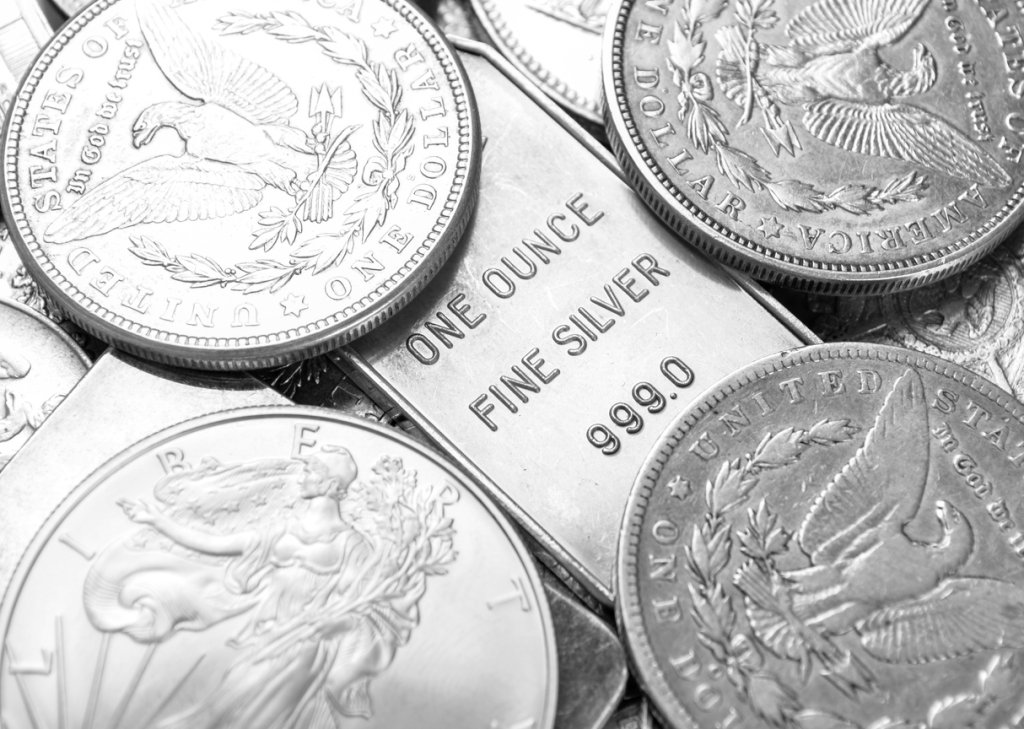
Why Silver Coins Have Value
Silver coins are valuable because they contain real precious metal with intrinsic worth. Unlike paper currency, silver holds long-term value and is recognized globally. The value of silver coins is influenced by:
- Current silver spot prices
- Purity of the silver (.999 fine silver or .900 silver)
- Weight and mint specifications
- Demand from investors and collectors
- Historical or numismatic significance
Because silver coins carry real value, counterfeit silver coins have become increasingly common. Learning how to identify real silver is essential before buying or selling.
Types of Real Silver Coins You May Encounter
Understanding the most common types of silver coins helps with proper identification and testing.
Bullion Silver Coins (.999 Fine Silver)
Bullion coins are minted primarily for investment and contain one troy ounce of .999 fine silver.
Popular bullion silver coins include: – American Silver Eagle coins – Canadian Silver Maple Leaf coins – Austrian Silver Philharmonic coins – Mexican Silver Libertad coins – Private mint silver rounds
Constitutional or Junk Silver Coins (.900 Silver)
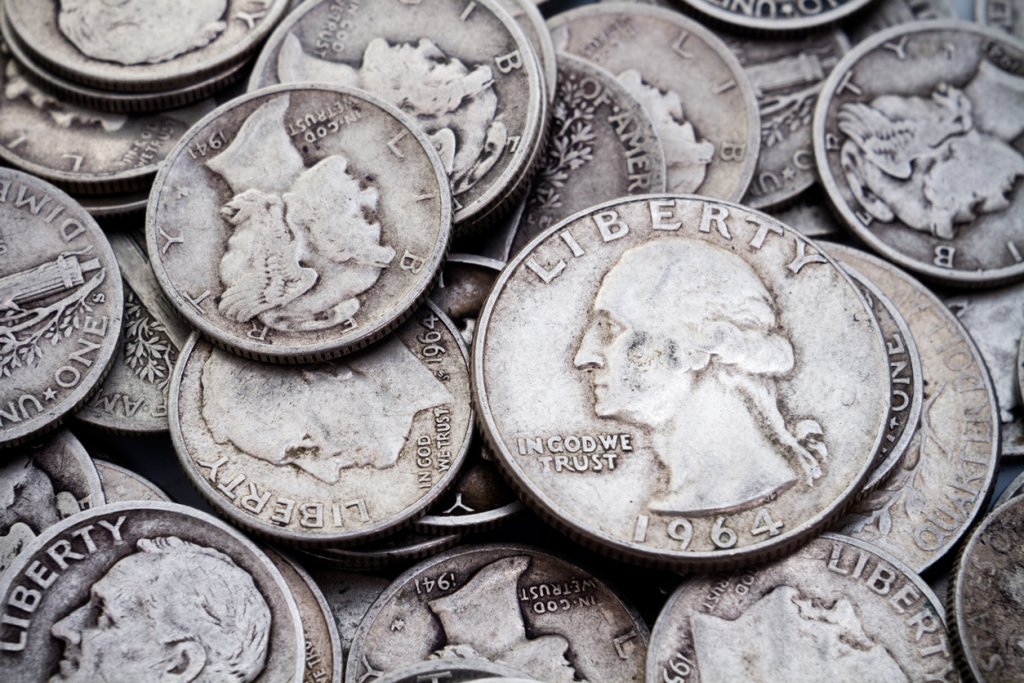
U.S. coins minted before 1965 contain 90% silver and are commonly called constitutional silver or junk silver.
These include: – Silver dimes – Silver quarters – Silver half dollars
These coins are widely traded based on silver content rather than face value.
Do Silver Coins Ping?
Yes, real silver coins usually produce a clear ringing sound.
The silver coin ping test is one of the oldest and most popular ways to test silver authenticity. It works because silver has unique acoustic properties.
Why Real Silver Coins Ping
When gently struck, real silver coins vibrate longer than base metals, creating: – A high-pitched ringing or bell-like sound – A sustained tone lasting one to two seconds
Fake silver coins made from steel, zinc, or lead typically produce: – A dull or flat sound – Very short vibration
How to Perform the Silver Ping Test
- Balance the silver coin on your fingertip
- Tap it lightly with another coin
- Listen carefully to the sound
Real silver coin: Clear ringing sound
Fake silver coin: Short, dull sound
Limitations of the Ping Test
While useful, the ping test alone is not definitive. Some counterfeit silver coins are engineered to mimic sound. Always combine the ping test with other silver testing methods.
Are Silver Coins Magnetic?
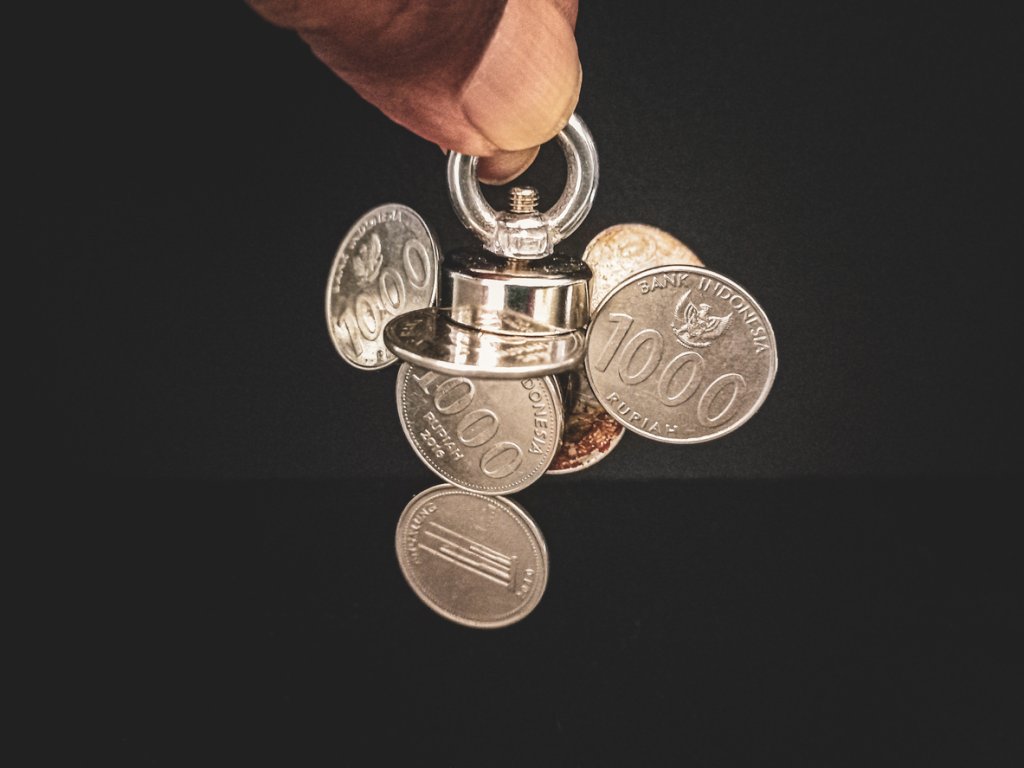
No, real silver coins are not magnetic.
Silver is a non-ferrous metal and does not contain iron. A genuine silver coin will not stick to a magnet.
Magnet Test for Silver Coins
- If a coin snaps to a magnet, it is not real silver
- If it sticks strongly, it is definitely fake
Magnet Slide Test for Silver Authenticity
The magnet slide test is more accurate than a simple attraction test.
- Hold a strong magnet at a slight angle
- Place the silver coin on the magnet
- Observe how it slides
Real silver coin: Slides slowly due to electromagnetic resistance
Fake silver coin: Slides quickly with little resistance
This works because silver has extremely high electrical conductivity.
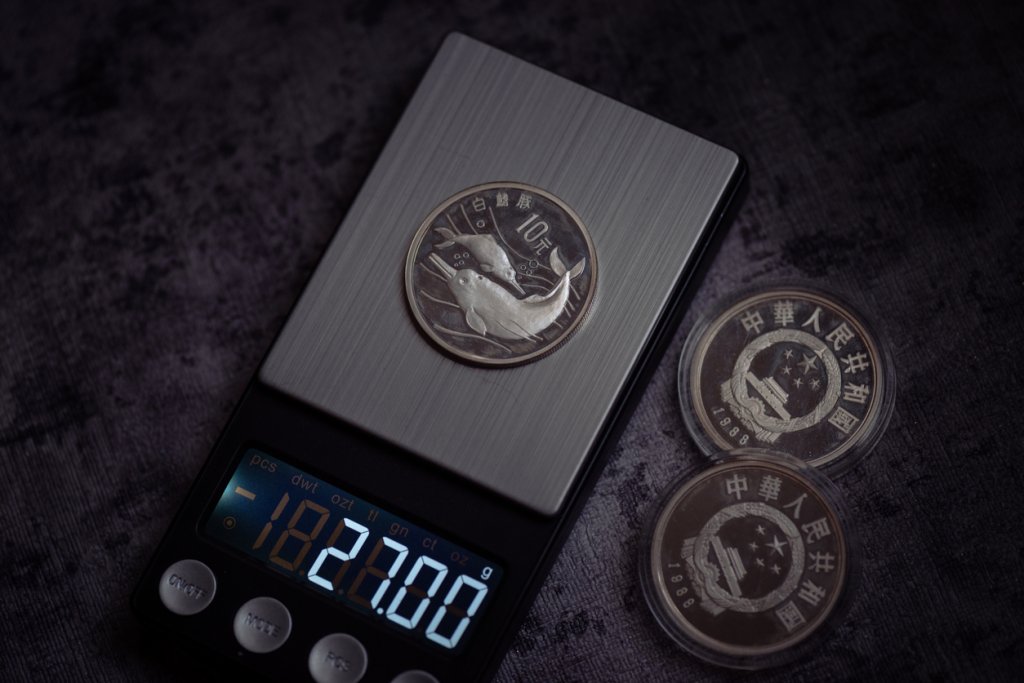
Weight Test: A Critical Silver Coin Test
Real silver coins are struck to exact weight standards.
Common silver coin weights: – American Silver Eagle: 31.1 grams – Pre-1965 U.S. silver quarter: 6.25 grams
Using a digital scale accurate to 0.01 grams can quickly reveal fake silver coins.
Too light: Likely silver-plated
Too heavy: Possible lead or tungsten core
Size and Thickness Test
Fake silver coins often fail dimensional checks.
Use calipers to measure: – Coin diameter – Coin thickness
Compare measurements to official mint specifications. Even small differences may indicate counterfeit silver.
Visual Inspection: How to Spot Fake Silver Coins
A close visual inspection can reveal many counterfeit silver coins.
Signs of Real Silver Coins
- Sharp lettering and details
- Clean, even edges
- Correct mint marks and dates
- Consistent reeding
Signs of Fake Silver Coins
- Blurry details
- Misspelled text
- Uneven rims
- Casting seams
- Incorrect fonts or spacing
If a silver coin looks off, it usually is.
Edge Test and Reeding
Most genuine silver coins have reeded edges.
Check for: – Uniform grooves – No seam lines – No flattening
Visible seams often indicate cast counterfeit coins.
Ice Test for Silver Coins
Silver has one of the highest thermal conductivities of any metal.
Place an ice cube on the coin: – Real silver coin: Ice melts rapidly – Fake silver coin: Ice melts slowly
The ice test is a simple but effective secondary test.
Acid Test for Silver
Silver acid testing involves applying nitric acid to a small scratch.
Results: – Creamy white reaction: Real silver – Green or gray reaction: Fake metal
Warning: Acid testing can damage coins and should be done cautiously.
Professional Silver Coin Testing Methods
Pawn shops, coin dealers, and jewelers use advanced tools such as: – XRF analyzers – Sigma Metalytics machines – Precision scales and calipers
These tools verify silver content without damaging the coin.
Why Fake Silver Coins Are Increasing
As silver prices rise, counterfeit silver coins become more common. Modern fakes may include: – Silver-plated base metals – Tungsten-filled cores – High-quality molds
Education and proper testing are essential when dealing with silver.
Tips for Buying Real Silver Coins
- Buy from reputable pawn shops or dealers
- Avoid deals that seem too good to be true
- Learn standard silver coin weights
- Use multiple silver testing methods

Selling or Pawning Silver Coins
When selling silver coins: – Do not aggressively polish coins – Bring all coins together for evaluation – Choose a knowledgeable silver buyer
Reputable buyers explain their testing process clearly.
Selling, Buying, and Verifying Silver Coins at Smyrna Pawn in Dallas, Georgia
If you are located in Dallas, Georgia, or the surrounding Paulding County area, working with a trusted local pawn shop makes all the difference. Smyrna Pawn in Dallas, GA specializes in evaluating, buying, selling, and pawning silver coins with professional-grade testing methods.
At Smyrna Pawn, customers benefit from: – Accurate silver coin testing – Transparent evaluations – Competitive payouts based on current silver prices – Experience identifying fake silver coins
Whether you are bringing in American Silver Eagles, junk silver, inherited coins, or bullion rounds, Smyrna Pawn uses multiple verification methods to ensure fair value and authenticity.
Local customers searching for “silver coins near me,” “pawn shop in Dallas GA,” “sell silver coins Dallas Georgia,” or “how to tell if silver coins are real” can rely on Smyrna Pawn for honest answers and expert service.
Frequently Asked Questions About Silver Coins (FAQ)
Do real silver coins ping?
Yes. Real silver coins usually produce a clear, high-pitched ringing sound when lightly tapped. Fake silver coins tend to sound dull or flat.
Are silver coins magnetic?
No. Genuine silver coins are not magnetic. If a coin sticks to a magnet, it is not real silver.
How can I tell if my silver coins are fake?
Use multiple tests including the ping test, magnet test, weight test, size measurements, and visual inspection. For best results, visit a professional pawn shop like Smyrna Pawn in Dallas, GA.
What silver coins does Smyrna Pawn buy?
Smyrna Pawn buys bullion silver coins, American Silver Eagles, junk silver coins, silver rounds, and other silver items based on weight and purity.
Can I pawn silver coins instead of selling them?
Yes. Smyrna Pawn offers pawn loans on silver coins, allowing you to use your silver as collateral and retrieve it later.
Does cleaning silver coins increase their value?
No. Aggressive cleaning can reduce the value of silver coins. It is best to leave coins in their natural condition.
Why should I choose a local pawn shop in Dallas, GA?
Local pawn shops like Smyrna Pawn understand the community, offer face-to-face evaluations, and provide fast, reliable service without shipping or delays.
Final Thoughts: How to Tell if Silver Coins Are Real
Do silver coins ping? Yes, real silver coins usually ring clearly.
Are silver coins magnetic? No, genuine silver is not magnetic.
The most reliable way to identify real silver coins is to combine several methods: ping test, magnet test, weight and size verification, visual inspection, and professional testing.
If you are in Dallas, Georgia, and want to buy, sell, or pawn silver coins with confidence, visit Smyrna Pawn for expert verification and competitive offers.