
Walk into any modern pawn shop and you’ll notice something right away—it doesn’t feel like the old stereotypes you may have heard about. Gone are the dimly lit counters and questionable transactions portrayed in movies. Today’s pawn industry is heavily regulated, highly secure, and closely connected to local law enforcement.
At Smyrna Pawn, every part of the business is shaped by law, compliance, and safety standards designed to protect both customers and the community. From the moment an item is brought in, to the way it is stored and eventually sold, there are layers of oversight ensuring everything is transparent and traceable.
Understanding how pawn shop legislation works—and why it exists—helps clear up misconceptions and shows why pawn shops are often safer and more secure than people expect.
Pawn Shops Are One of the Most Regulated Retail Industries
Pawn shops don’t operate in a gray area. In fact, they are among the most tightly regulated small businesses in the United States.
Every pawn shop must comply with:
- State licensing requirements
- Local business regulations
- Federal financial reporting laws
- Consumer protection rules
- Law enforcement reporting systems
In Georgia specifically, pawn shops are required to maintain detailed transaction records and submit regular reports to law enforcement databases. These laws exist to prevent the sale of stolen goods, protect consumers, and ensure accountability in every transaction.
Unlike many retail businesses, pawn shops are treated as both retail establishments and financial institutions because they issue collateral-based loans. That dual role increases the level of oversight and compliance required.
What Happens When Someone Pawns or Sells an Item
Every transaction in a pawn shop is carefully documented from start to finish. There is no “cash and forget it” system.
When a customer brings in an item, the shop records:
- Government-issued identification
- Detailed item description
- Serial numbers (if available)
- Photographs of the item
- Transaction type (pawn loan or purchase)
- Date, time, and value of the item
This information is then submitted to law enforcement databases, often electronically and sometimes daily.
These systems allow police to monitor pawn activity in real time and cross-check items against stolen property reports.
If something matches a police report, the item is flagged immediately for investigation.
This level of transparency is one of the biggest differences between pawn shops and unregulated resale platforms.
How Pawn Shops Work Directly With Law Enforcement
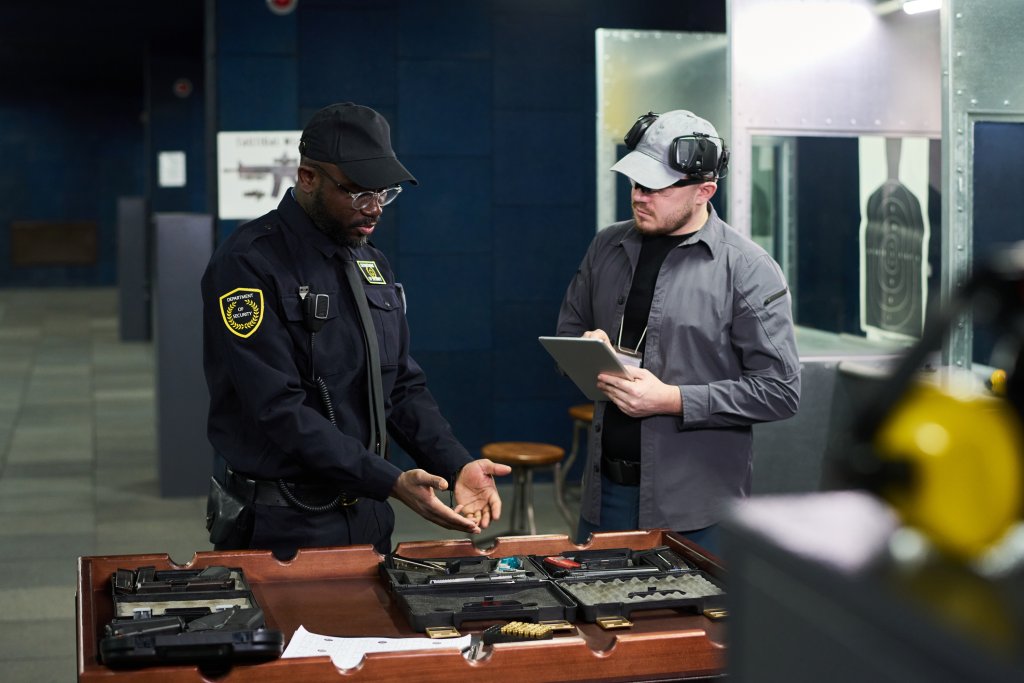
One of the strongest safety features in the pawn industry is its direct partnership with local police departments.
Pawn shops are legally required to share transaction data with law enforcement. This creates a built-in system for tracking stolen goods and preventing illegal activity.
Here’s how that collaboration works in practice:
- A customer brings in an item to pawn or sell
- The shop records detailed information and customer ID
- That data is transmitted to a law enforcement database
- Police compare the information to theft reports in the area
- If a match is found, the item is flagged and recovered
This system helps law enforcement solve theft cases faster and return stolen property to rightful owners.
In many cases, pawn shops are actually the first place police look when investigating property crimes.
Far from being a loophole, pawn shops are a key part of the theft prevention system.
Mandatory Holding Periods Add Another Layer of Protection
Another important regulation is the required holding period for pawned or purchased items.
In Georgia and most other states, pawn shops must hold items for a set number of days before they can be resold. This waiting period gives law enforcement time to:
- Review newly reported transactions
- Identify stolen property
- Contact the pawn shop if necessary
- Recover items before they reach the sales floor
This delay acts as a safeguard for both consumers and the community.
It ensures that items do not move too quickly into resale without oversight, reducing the risk of stolen goods entering circulation.
Secure Storage: The Backbone of Pawn Shop Safety
One of the most overlooked aspects of pawn shop operations is secure storage. Once an item is accepted, it does not simply sit on a shelf—it is placed into a highly controlled storage system.
Modern pawn shops like Smyrna Pawn use multiple layers of physical security, including:
- Reinforced safes for high-value items
- Locked and access-controlled storage rooms
- Individually tagged and tracked inventory
- Climate-controlled areas for sensitive goods
- Restricted employee access zones
Items such as jewelry, electronics, firearms (where legally allowed), and collectibles are stored according to strict internal procedures.
This system ensures that every item is accounted for at all times. Nothing is left unsecured or untracked.
Secure storage also protects customers. If an item is pawned as collateral, the customer can be confident it is being held safely until the loan is repaid or the item is redeemed.
Surveillance and On-Site Security Measures
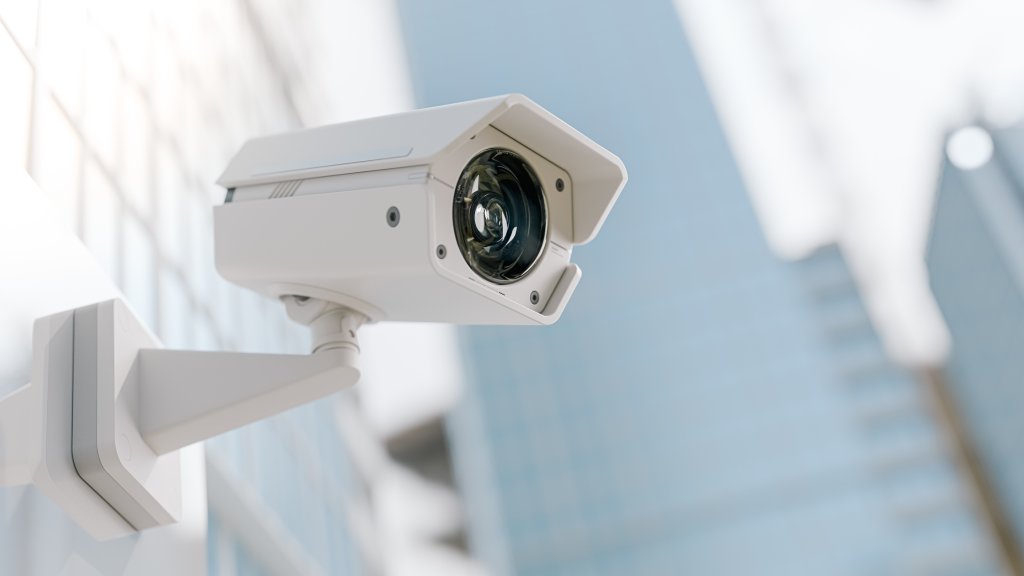
Pawn shops invest heavily in security—not just for compliance, but for customer protection and loss prevention.
At a modern pawn shop, you will typically find:
- 24/7 video surveillance systems
- High-resolution cameras covering all entry points
- Monitored alarm systems
- Motion detectors in restricted areas
- Panic alarms for staff safety
- Controlled entry and exit points
These systems are not optional—they are often required by licensing regulations and insurance policies.
Surveillance footage is also a critical tool for law enforcement. If a theft or dispute occurs, video evidence can be reviewed quickly to assist investigations.
This level of monitoring creates a safe environment for both employees and customers.
Inventory Tracking and Digital Compliance Systems
Gone are the days of handwritten logs and manual tracking. Today’s pawn shops use advanced software systems that:
- Track every item with barcodes or serial numbers
- Automatically report transactions to law enforcement
- Flag duplicate or suspicious activity
- Maintain long-term digital records for audits
- Cross-reference stolen item databases
This technology improves accuracy and reduces human error.
It also ensures that compliance is consistent. Every item is traceable from the moment it enters the shop to the moment it is sold or redeemed.

Why Regulation Matters for Customers
Strict regulation is not just about compliance—it directly benefits customers.
When you buy from a licensed pawn shop, you gain:
- Verified ownership history of items
- Reduced risk of stolen goods
- Transparent pricing practices
- Professional oversight of every transaction
- Protection through law enforcement systems
This level of accountability is rarely found in informal resale markets or online marketplaces where transactions may be anonymous and unregulated.
Regulation creates trust, and trust creates safer shopping experiences.
Common Misconceptions About Pawn Shops
Despite all of these safeguards, pawn shops still face outdated assumptions. Let’s clear up a few of the most common ones.
“Pawn shops deal in stolen goods”
This is one of the biggest myths. In reality, pawn shops are one of the most closely monitored resale environments in existence. Because every item is reported and checked against police databases, stolen items are usually identified quickly.
“Pawn shops are unsafe”
Modern pawn shops are highly secure environments with surveillance systems, trained staff, and strict entry controls. Many customers find them safer than meeting strangers for online purchases.
“Prices are unfair”
Pawn shops operate in competitive resale markets. Prices are based on condition, demand, and market value—and are often significantly lower than traditional retail pricing.
Why Buying Retail Isn’t Always the Better Option
Retail stores are familiar, but they come with hidden costs built into pricing structures:
- Manufacturing markups
- Brand premiums
- Marketing expenses
- Distribution costs
- Store overhead
By the time an item reaches a retail shelf, the price may be far higher than its actual market value.
Pawn shops remove many of those layers.
That means customers can often find:
- Gently used electronics at lower prices
- Tools and equipment for less than retail
- Jewelry and luxury items at significant discounts
- Unique or discontinued items no longer available in stores
It’s not just about saving money—it’s about accessing value efficiently and safely.
The Role Pawn Shops Play in the Community
Pawn shops do more than buy and sell goods. They also serve important financial and social functions in their communities.
They provide:
- Short-term collateral loans without credit checks
- Fast access to emergency cash
- Affordable resale goods for everyday needs
- Recovery support for stolen property cases
- Local economic circulation and job support
In many cases, pawn shops act as a financial bridge for individuals who may not have access to traditional banking services.

Final Thoughts: A System Built on Safety and Accountability
Modern pawn shops are not the mystery-filled businesses they are sometimes made out to be. They are structured, regulated, and closely monitored operations built around transparency and consumer protection.
From strict state laws to real-time law enforcement reporting, from secure storage systems to advanced surveillance technology, every part of the pawn industry is designed with safety in mind.
At Smyrna Pawn in Smyrna, GA, these systems are not theoretical—they are part of daily operations. Customers can walk in knowing that every item is tracked, every transaction is recorded, and every safeguard is in place to protect both buyer and seller.
When you understand how the system truly works, the perception changes. Pawn shops aren’t risky—they’re one of the most regulated, secure, and value-driven ways to shop in today’s marketplace.