
When most people hear the words “diamond jewelry,” their first thought is often an engagement ring. Diamonds and proposals have gone hand in hand for generations, but engagement rings are only one small part of the diamond jewelry market.
Diamond earrings, tennis bracelets, anniversary bands, pendants, necklaces, cocktail rings, wedding sets, and even loose diamonds may all have value. Some pieces are worn and loved every day. Others have been sitting untouched in a jewelry box for years.
At Smyrna Pawn in Smyrna, Georgia, we believe jewelry should do more than collect dust. Whether you’re looking to buy a beautiful diamond piece, sell jewelry you no longer wear, or use your diamond jewelry as collateral for a pawn loan, understanding what you have is the first step.
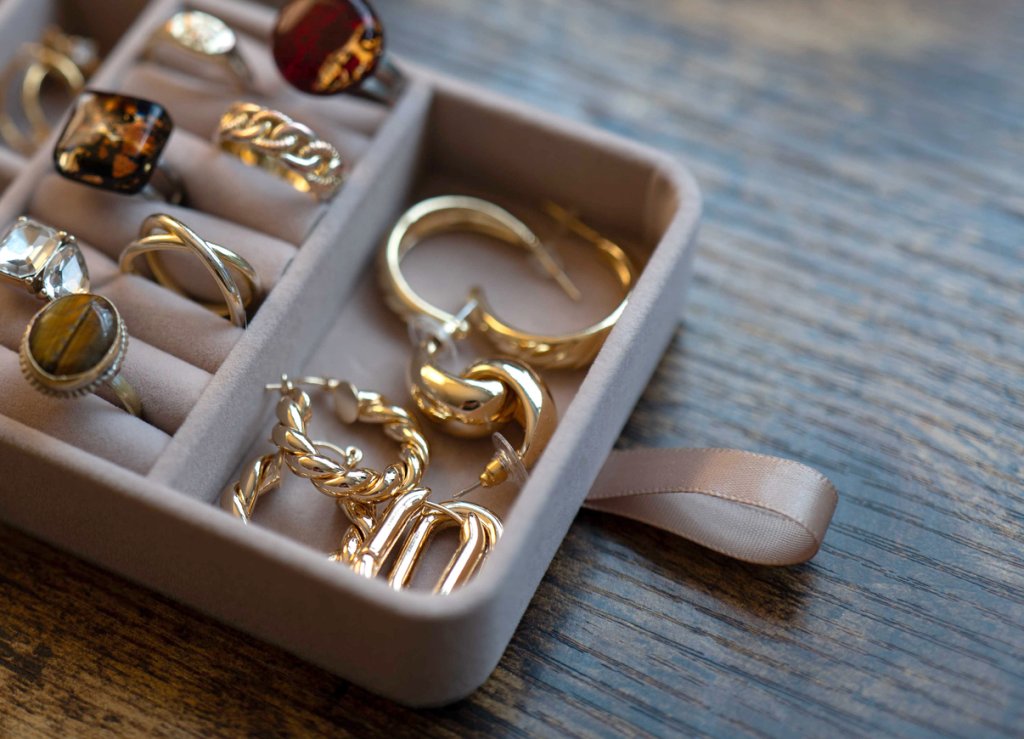
Take Another Look Inside Your Jewelry Box
Most of us have jewelry we rarely—or never—wear.
Maybe it was a gift from years ago. Perhaps it belonged to a family member. It might be a piece that no longer fits your style, or something connected to a chapter of your life that has passed.
Whatever the reason, that forgotten jewelry could have value.
Diamond jewelry can include:
- Diamond stud and drop earrings
- Tennis bracelets
- Diamond necklaces and pendants
- Anniversary bands
- Wedding bands
- Engagement rings
- Cocktail rings
- Diamond brooches
- Men’s diamond rings
- Diamond watches
- Loose diamonds
- Vintage and estate diamond jewelry
Even jewelry that is broken, missing a stone, or outdated may still be worth evaluating.
The diamonds may have value, and so can the precious metal holding them.
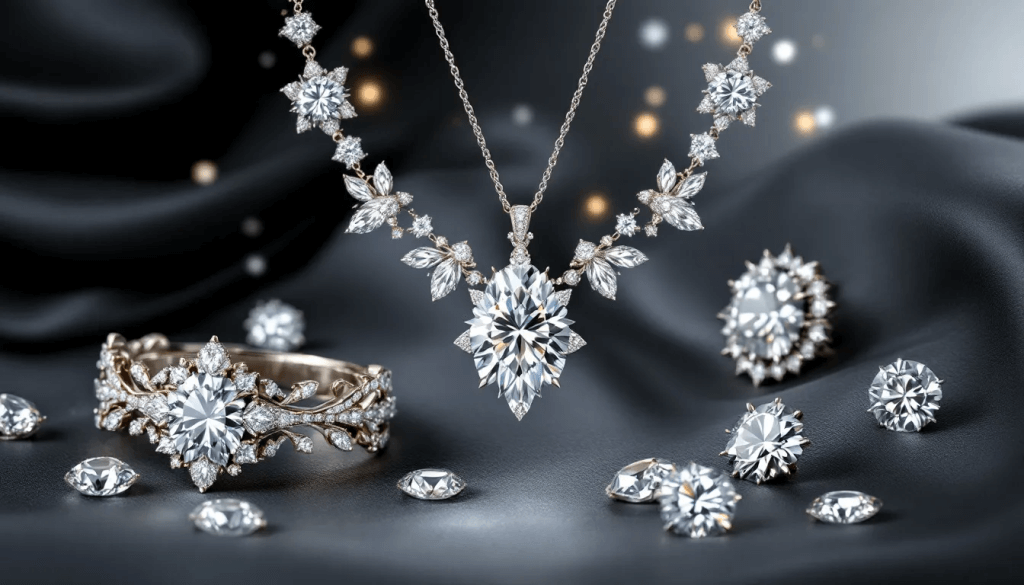
What Makes a Diamond Valuable?
You’ve probably heard about the 4Cs of diamonds: cut, color, clarity, and carat weight. These characteristics are important when evaluating a diamond.
Cut
Cut refers to how well a diamond has been shaped and faceted. A well-cut diamond reflects light beautifully, creating the sparkle most people associate with diamonds.
Cut should not be confused with shape. Round, oval, pear, princess, cushion, emerald, and marquise describe diamond shapes. Cut quality describes how effectively the facets interact with light.
Color
Many diamonds are evaluated according to how much—or how little—color they display. In traditional white diamonds, less noticeable color can contribute to value.
Fancy-colored diamonds are an entirely different category. Depending on the stone, diamonds displaying certain natural colors can be highly desirable.
Clarity
Natural diamonds form under tremendous heat and pressure. During that process, they can develop internal characteristics called inclusions and external characteristics called blemishes.
The number, size, type, and location of these characteristics can affect a diamond’s clarity grade and value.
Carat Weight
Carat refers to a diamond’s weight, not simply its physical dimensions.
Larger diamonds can be more valuable, but carat weight alone doesn’t determine what a diamond is worth. Two diamonds of identical weight can have very different values based on their cut, color, clarity, condition, and other characteristics.
The Setting Matters Too
When evaluating diamond jewelry, don’t forget about the jewelry surrounding the stone.
Diamonds are commonly set in precious metals such as:
- 10K gold
- 14K gold
- 18K gold
- White gold
- Yellow gold
- Rose gold
- Platinum
Gold and platinum have their own intrinsic value. That means an older piece of jewelry may have value even when the style isn’t currently fashionable.
This is one reason you shouldn’t assume that an outdated, damaged, or unwanted piece isn’t worth bringing into Smyrna Pawn.
Let an experienced professional take a look before you decide what it is—or isn’t—worth.
Buying Pre-Owned Diamond Jewelry Can Make Sense
There’s something exciting about walking into a jewelry store and seeing a brand-new diamond sparkling under the lights. But buying new isn’t the only way to find beautiful jewelry.
Shopping pre-owned diamond jewelry at a pawn shop can offer some significant advantages.
You May Get More for Your Budget
New jewelry prices can include costs associated with manufacturing, marketing, retail overhead, and brand positioning.
Pre-owned jewelry enters the market differently. That can create opportunities for shoppers who want quality jewelry while being mindful of their budget.
Instead of automatically assuming you need to purchase new, compare your options.
You might discover that your budget goes further than you expected.
You’ll Find Jewelry With Character
Pawn shops aren’t filled with rows of identical pieces.
Inventory constantly changes because items come from different people, different eras, and different circumstances.
One visit might reveal a classic diamond solitaire. The next could uncover a vintage cocktail ring, diamond tennis bracelet, unusual pendant, or anniversary band.
That’s part of the fun.
You never know exactly what you’ll find at Smyrna Pawn.
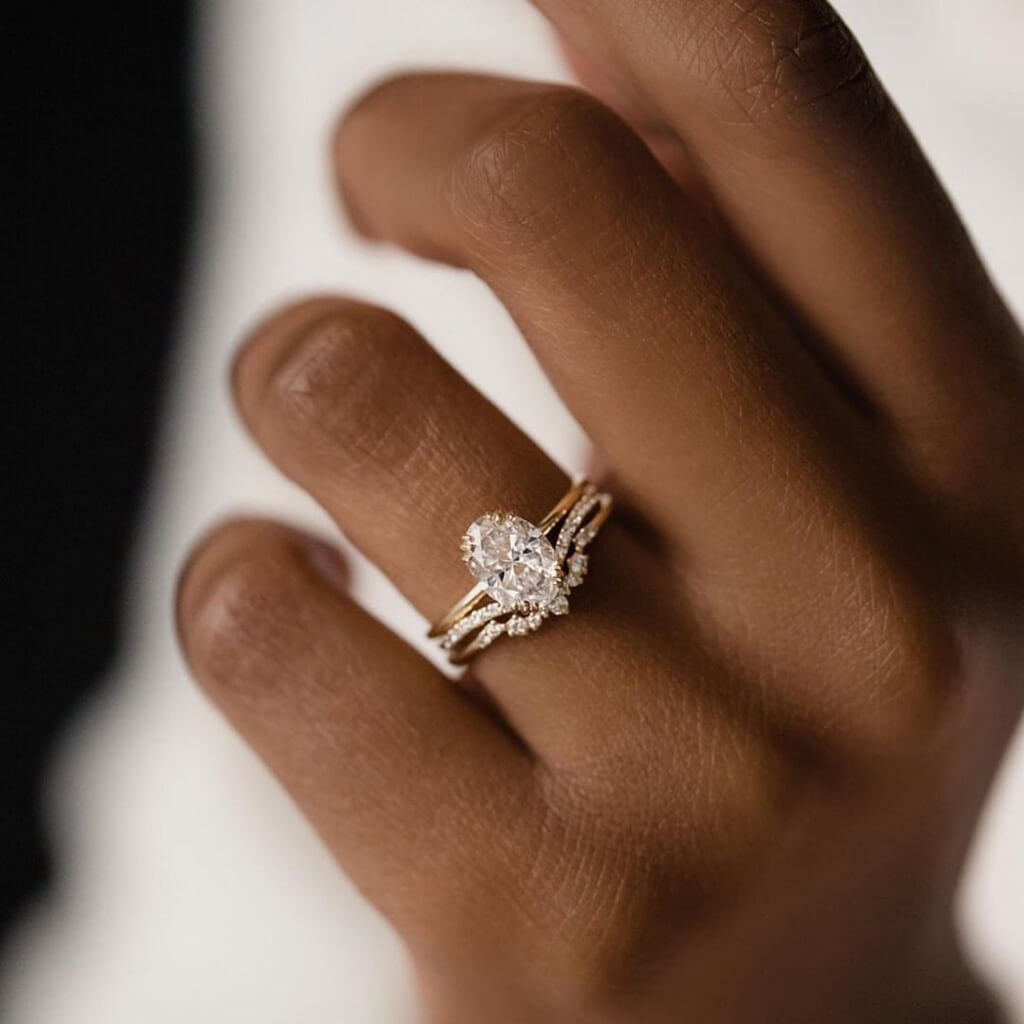
Estate and Vintage Diamond Jewelry
Older jewelry deserves special attention.
Styles change, but good craftsmanship doesn’t necessarily disappear with age. Some vintage and estate pieces feature details that are difficult to find in modern mass-produced jewelry.
Older diamond jewelry may feature:
- Handcrafted settings
- Intricate metalwork
- Unique diamond cuts
- Unusual designs
- Heavier precious-metal construction
- Styles associated with particular eras
For some buyers, the history and individuality of an older piece make it even more appealing.
Rather than buying the same jewelry everyone else has, you may find something completely unique.
What If You Want to Sell Diamond Jewelry?
Sometimes jewelry simply stops being meaningful or useful.
Maybe you upgraded your wedding set. Perhaps you inherited jewelry that isn’t your style. You might have a diamond bracelet you haven’t worn in ten years.
Selling may allow you to turn an unused possession into money you can use today.
Before selling diamond jewelry, however, it’s helpful to have realistic expectations.
The original retail price isn’t necessarily the same as the current resale value. Jewelry markets change, and many factors contribute to what a buyer can reasonably pay.
An evaluation may consider the diamonds, precious metal, condition, style, current market, and overall resale potential.
That’s why working with people who understand jewelry matters.
Don’t Clean or Repair It Before Bringing It In
People sometimes assume they need to repair jewelry before having it evaluated.
Usually, that’s unnecessary.
If your ring has a bent prong, your bracelet has a broken clasp, or a necklace has been sitting untouched for years, bring it in as it is.
You don’t necessarily need to spend money repairing something before learning whether you want to keep, sell, or pawn it.
The same applies to professional cleaning.
A gentle cleaning at home may be fine for some jewelry, but aggressive cleaning techniques can potentially damage certain stones or settings. When you’re unsure, leave the piece alone and let someone knowledgeable look at it first.
Selling Isn’t Your Only Option
What if you need money but don’t actually want to give up your diamond jewelry?
That’s where a pawn loan may be worth considering.
A pawn loan allows you to use an item of value as collateral. Instead of permanently selling the jewelry, you leave it with the pawn shop during the loan period.
This can be particularly useful when the jewelry has sentimental value.
Perhaps you have an anniversary ring that means a great deal to you, but you’re dealing with an unexpected expense. Selling it may feel too permanent.
A pawn loan provides another option.
The specific loan amount depends on the item and its value, so bring your jewelry into Smyrna Pawn for an evaluation and explanation of your options.
Diamond Jewelry Can Be More Than Something You Wear
Jewelry is personal.
A diamond necklace might remind you of an anniversary. Earrings might have been a graduation gift. A ring could have belonged to your grandmother.
But jewelry can also be a financial asset.
There may come a time when having access to that value becomes more important than keeping a piece tucked away in a drawer.
That doesn’t automatically mean you should sell it.
It means you have choices.
You can keep it.
You can wear it.
You can sell it.
You may be able to pawn it.
Or you might decide to trade the value of jewelry you no longer love toward something you’ll actually enjoy wearing.
What About Broken Diamond Jewelry?
Don’t throw it away.
A broken chain, damaged ring, single earring, or bracelet with a bad clasp may still contain valuable materials.
Consider a pair of diamond earrings where one has been lost. You might assume the remaining earring is useless because you’ll probably never wear it again.
But the remaining diamond and precious metal haven’t suddenly become worthless simply because the matching earring disappeared.
The same is true for broken rings and necklaces.
Before tossing damaged jewelry into a drawer indefinitely, consider having it evaluated.
What About Jewelry You’ve Inherited?
Inherited jewelry can create a different kind of dilemma.
You may appreciate the person who left it to you but have no desire to wear the jewelry itself.
Keeping every inherited possession isn’t the only way to honor someone.
If several family members inherit jewelry, an evaluation can also help everyone better understand what is there before decisions are made.
Before selling inherited diamond jewelry, avoid making assumptions based on appearance alone. A piece that looks old-fashioned may contain quality diamonds or valuable precious metals.
On the other hand, something that looks impressive may have a lower resale value than expected.
An experienced evaluation gives you information before you make a decision.
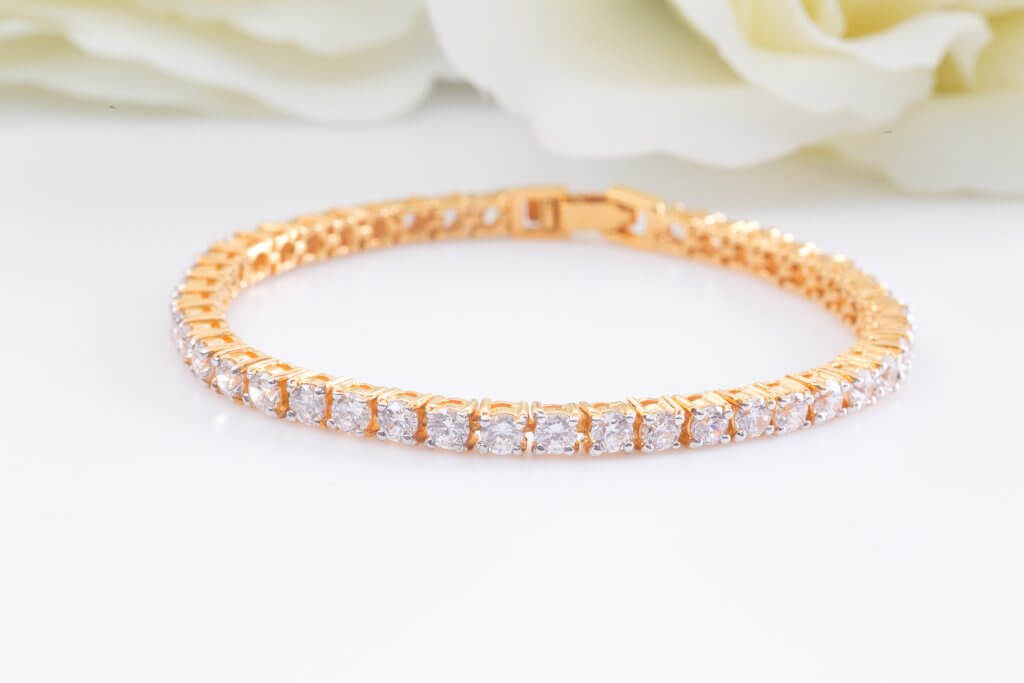
Buying Diamonds for Special Occasions
Diamond jewelry isn’t limited to engagements.
There are plenty of reasons to give—or buy yourself—a diamond.
Anniversaries, birthdays, graduations, promotions, Mother’s Day, Christmas, Valentine’s Day, and milestone celebrations can all be reasons to shop for jewelry.
And sometimes you don’t need an occasion at all.
A classic pair of diamond studs, a pendant, or a bracelet can become something you wear for decades.
Shopping pre-owned allows you to explore pieces that may be different from what you’ll find at traditional jewelry retailers.
Why Visit Smyrna Pawn?
A pawn shop is about more than loans.
It’s a place where buying, selling, and borrowing come together.
If you’re shopping, inventory can change regularly, giving you opportunities to discover jewelry you weren’t expecting.
If you’re selling, you can bring in jewelry you no longer use and learn what options may be available.
If you need short-term access to cash but don’t want to permanently part with your jewelry, you can ask about a pawn loan.
Most importantly, you can have a conversation with someone who works with jewelry regularly.

Bring in the Jewelry You’ve Been Wondering About
Almost everyone has something sitting in a jewelry box that makes them wonder:
Is this worth anything?
You don’t have to guess.
Gather up the diamond jewelry you no longer wear and bring it to Smyrna Pawn in Smyrna, Georgia.
Maybe it’s an old engagement ring.
Maybe it’s a tennis bracelet you haven’t worn in years.
Maybe it’s a single diamond earring, an inherited pendant, or a broken gold ring with diamonds still in the setting.
Whatever it is, understanding its potential value gives you options.
And if you’re shopping for diamonds instead of selling them, stop in and see what’s available. Pawn shop inventory changes, and the perfect piece may be one you never expected to find.
At Smyrna Pawn, diamonds aren’t just about engagements. They’re about possibilities—whether you’re looking to buy, sell, or pawn diamond jewelry.
Sometimes the value you’re looking for is already sitting inside your jewelry box.