
When you need cash quickly, the percentage printed on a loan agreement may not be the first thing on your mind.
You may be thinking about the car repair that needs to be paid, an unexpected household expense, a bill due before payday, or simply getting through a month when several expenses arrived at once.
But before taking any loan—including a pawn loan—it is important to understand what borrowing will actually cost.
One term you’ll encounter is APR, or Annual Percentage Rate.
APR can sound complicated, particularly with a short-term loan. The good news is that you don’t need to be a financial expert to understand the basics.
At Smyrna Pawn in Smyrna, Georgia, a pawn loan allows you to use property you already own as collateral for cash. Understanding the APR, the actual dollar cost of the loan, your due date, and your repayment options can help you make a more informed decision.
Let’s break it down.
What Is APR?
APR stands for Annual Percentage Rate.
APR is a standardized way of expressing the cost of credit as an annualized percentage.
The word annual is important.
A pawn loan is generally intended to be a short-term transaction. APR, however, takes the applicable cost of credit and expresses it as an annual rate.
That means the APR should not be confused with simply asking, “How many dollars will this pawn loan cost me?”
Both pieces of information matter, but they tell you different things.
APR gives you a standardized percentage for understanding the cost of credit.
Your pawn agreement provides the specific dollar amounts, charges, dates, and terms that apply to your transaction.
Why Can APR Look High on a Short-Term Loan?
This is one of the most important things for consumers to understand.
Because APR annualizes borrowing costs, a charge associated with a relatively short borrowing period can translate into a much larger-looking percentage when expressed over an entire year.
That doesn’t mean you should ignore APR.
Quite the opposite.
APR is an important disclosure and should be reviewed carefully. But it should be considered alongside the actual finance charge and total amount required under your pawn agreement.
When considering a pawn loan, ask practical questions:
How much am I receiving today?
What will this transaction cost me in dollars?
When is the amount due?
How much will I need to pay to redeem my property?
What happens if I need additional time?
Those questions help turn a percentage into information you can use.
What Is a Finance Charge?
If APR gives you a percentage, the finance charge helps you understand the cost of credit in dollar terms.
For many customers, that’s easier to visualize.
Instead of looking only at an annualized percentage, look at the actual numbers disclosed for your transaction.
For example, if you’re considering borrowing against a piece of gold jewelry, you want to understand not only the APR but also exactly how much money you’ll receive and what you’ll need to pay according to the agreement to get your jewelry back.
Before accepting a pawn loan, take a moment to review the entire transaction.
Don’t be afraid to ask questions.
A responsible loan decision begins with understanding what you’re agreeing to.
How Does a Pawn Loan Work at Smyrna Pawn?
A pawn loan is a collateral-based loan.
You bring an item of value to Smyrna Pawn. The item is evaluated based on factors such as its condition, authenticity, market demand, and potential resale value.
If you accept the loan offer, your item is held as collateral and you receive cash.

Common items customers may use for pawn loans include:
- Gold and silver
- Diamond jewelry
- Luxury watches
- Designer handbags
- Electronics
- Tools
- Musical instruments
- Other valuable personal property
Once you repay the amount required under your pawn agreement, your property is returned to you.
That’s one of the biggest differences between selling and pawning.
When you sell an item, you exchange ownership of it for cash.
When you pawn an item, you’re using its value as collateral with the intention of reclaiming it according to the terms of the agreement.
Why Do People Choose Pawn Loans?
There isn’t one reason.
For many people, the attraction of a pawn loan is that they can access the value of something they already own without immediately selling it.
Consider a Rolex watch.
Perhaps you don’t wear it every day, but you don’t want to sell it either. You may have owned it for years, received it as a gift, or simply want to keep it in your collection.
If you need temporary cash, that watch may be able to serve as collateral.
The same can be true of a diamond ring, gold chain, designer handbag, electronics, or other valuable property.
You are essentially asking:
Can something I already own help solve a temporary cash-flow problem?
Sometimes the answer is yes.
Pawn Loans Are Based on the Item
Another distinguishing feature of a pawn loan is that the transaction centers on the collateral.
The pawnbroker evaluates the property and determines what loan amount the item can support.
Smyrna Pawn accepts a broad range of collateral, including jewelry, diamonds, gold, silver, luxury watches, designer handbags, electronics and other items of value.
This can make a pawn loan useful when someone has a valuable asset but needs access to cash.
You Can Get Cash Without Selling Your Property
Imagine you’ve owned a gold bracelet for 15 years.
You still love it.
You don’t want to sell it.
But an unexpected $500 expense arrives at exactly the wrong time.
Selling the bracelet might provide cash, but the transaction is permanent.
A pawn loan provides another possibility: use the bracelet as collateral and work toward redeeming it according to the loan terms.
This is particularly important when an item has sentimental or personal value.
If getting the item back matters to you, however, your repayment plan matters just as much as the amount you’re borrowing.

Smyrna Pawn’s 10-Day Option
Smyrna Pawn currently advertises a 10% rate when a pawn is paid in full within the first 10 days.
For someone who needs cash for a very short period and expects to be able to repay quickly, that may be worth asking about.
For example, perhaps you have an expense today but know your paycheck, commission, or another expected payment will arrive next week.
Rather than assuming what your loan will cost, ask the Smyrna Pawn team to explain the current terms and exactly what you would owe if you redeem your item within the applicable period.
The terms disclosed on your individual pawn agreement are what matter.
The Best Pawn Loan Starts With a Repayment Plan
Getting the cash is only the first half of a successful pawn transaction.
The second half is getting your property back.
Before accepting a loan, ask yourself:
Where will the repayment money come from?
Maybe the answer is your next paycheck.
Perhaps you’re expecting a commission.
Maybe you have money coming from a side job, business payment, or another known source.
Whatever the answer, identify it before you borrow.
A pawn loan shouldn’t begin with:
“I’ll figure it out later.”
A better approach is:
“I know what I need, I understand what it will cost, and I know how I plan to repay it.”
Borrow Based on What You Need
A valuable piece of collateral may support a larger loan than you actually need.
That doesn’t necessarily mean you should take the maximum available.
Suppose you need $400 for an unexpected expense.
If your luxury watch can support a larger loan, ask yourself whether borrowing the additional money actually helps you.
Every dollar borrowed becomes part of the amount you’ll need to manage.
Start with your need.
Then look at what you can realistically repay.
That can make the entire transaction easier to manage.
Put Your Due Date on Your Calendar
This sounds simple, but it matters.
As soon as you complete your pawn transaction, add the important dates to your phone.
Don’t wait until the day before your payment is due.
Consider setting reminders well in advance so you have time to prepare.
For example:
Two weeks ahead: Review your finances and confirm your repayment plan.
One week ahead: Determine whether the funds you expected are still available.
A few days ahead: Make arrangements to handle the transaction.
Planning ahead gives you options.
Waiting until the last minute removes them.
Break the Amount Into Smaller Pieces
A larger repayment amount can feel intimidating when you look at it all at once.
Instead, work backward.
Suppose you have several paychecks between the day you pawn your item and the date you plan to redeem it.
Consider setting aside part of the money from each paycheck.
If you receive extra income during that period, you might also designate some of it for the loan.
The goal is simple:
Don’t wait until the end to start thinking about repayment.
Understand the Value of the Item You’re Pawning
There is another side to responsible pawn borrowing that doesn’t involve APR at all.
Think about the item.
How important is it to you?
A tool you no longer use may be very different emotionally from your grandfather’s watch.
If an item is particularly sentimental or irreplaceable, factor that into your decision before using it as collateral.
The more important it is for you to reclaim the property, the more important it is to have a realistic repayment plan.
Pawn or Sell? Know the Difference Before You Decide
Sometimes selling makes more sense than borrowing.
If you own something you haven’t used in years and don’t particularly want back, selling it may provide the cash you need without creating a loan obligation.
But if you value the item and want the opportunity to reclaim it, a pawn loan may be the better fit for your situation.
Ask yourself one question:
Do I want this item back?
If the answer is yes, explore the pawn option.
If the answer is no, ask what the item might be worth as an outright sale.
At Smyrna Pawn, customers can explore both options before deciding.
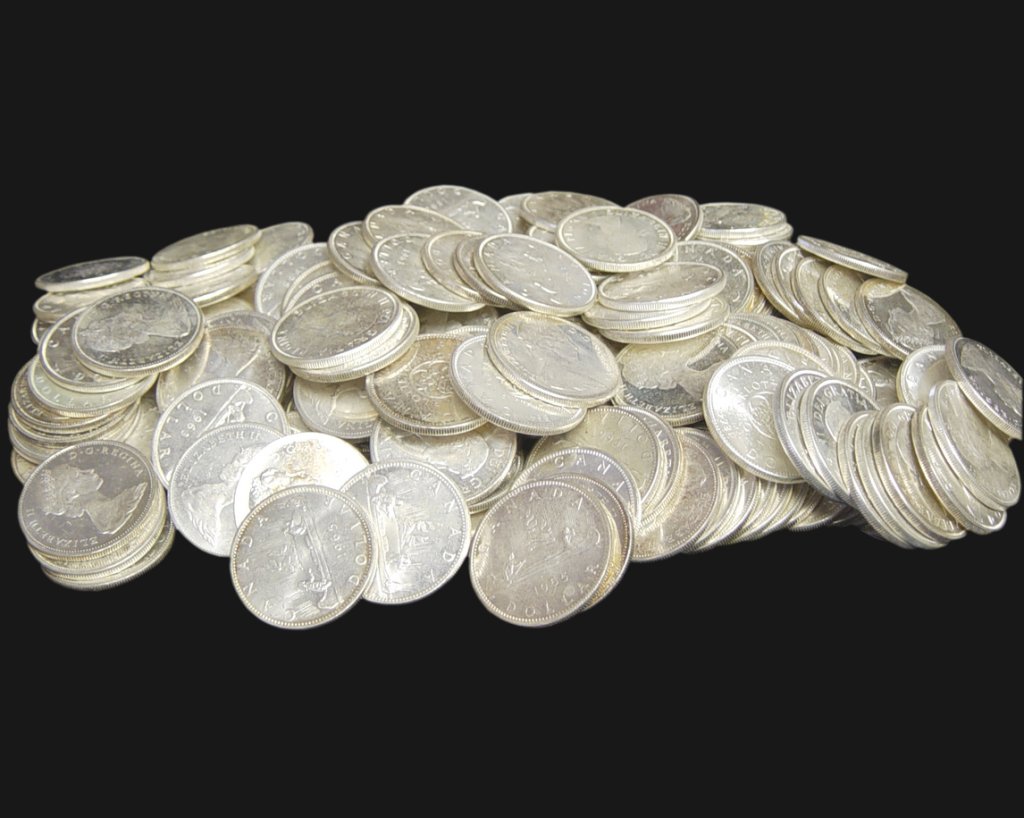
Your Jewelry Box May Hold More Financial Flexibility Than You Realize
Many people think about borrowing only in terms of banks and credit cards.
But look around your home.
You may own assets with real value.
Gold jewelry you haven’t worn in years.
A diamond bracelet.
A luxury watch.
A designer handbag.
Silver.
Electronics.
Quality tools.
Those items aren’t simply possessions. Some can serve as collateral when you need temporary access to cash.
A pawn loan allows you to unlock some of that value without necessarily making a permanent sale.
Five Questions to Ask Before Taking a Pawn Loan
Before you sign your pawn agreement, make sure you understand:
1. How much money am I receiving?
Know the exact loan amount.
2. What is my APR?
Review the APR disclosed for your transaction and ask questions if you don’t understand it.
3. What is my actual finance charge?
Knowing the dollar cost can make the transaction easier to evaluate.
4. When do I need to pay?
Know every important date associated with your agreement.
5. How much will I need to pay to get my item back?
This may be the most practical number of all.
Don’t leave until you understand the answers.
What If Your Financial Situation Changes?
Plans don’t always work perfectly.
A paycheck may be smaller than expected. An unexpected expense may appear. Money you were expecting could be delayed.
If your circumstances change, don’t ignore your pawn agreement.
Review the terms and contact Smyrna Pawn to ask what options may be available for your particular transaction.
The earlier you understand your options, the easier it is to make an informed decision.
Pawn Loans Can Be a Useful Short-Term Financial Tool
A pawn loan isn’t designed to solve every financial problem.
It can, however, provide a way to access cash using property you already own.
The key is using it intentionally.
Know what you’re borrowing.
Understand the APR and actual dollar cost.
Know your dates.
Borrow an amount you can realistically manage.
Have a plan for repayment.
Protect items that matter to you by staying aware of your agreement.
Those habits can make the difference between simply getting cash today and using a pawn loan as a planned short-term financial tool.
Looking for a Pawn Loan in Smyrna, GA?
If you need cash and own something of value, Smyrna Pawn Brokers has been serving Smyrna and Cobb County since 1977.
Bring in your gold, silver, diamond jewelry, luxury watch, designer handbag, electronics, tools, or other valuable property and let the team evaluate it.
You can learn what your item may qualify for, review the loan terms, understand the APR and charges, and decide whether pawning or selling makes more sense for you.
Smyrna Pawn currently offers a 10% rate when qualifying pawn loans are paid in full within the first 10 days. Ask the team for complete details and review the terms of your individual transaction before borrowing.
The goal isn’t simply to walk out with cash.
It’s to understand the transaction, have a plan, and know exactly what it will take to get your property back.
Smyrna Pawn Brokers
630 Windy Hill Rd SE
Smyrna, GA 30080
770-434-0057
Need cash without automatically selling something you value? Visit Smyrna Pawn in Cobb County and ask about your pawn loan options.